Introduction
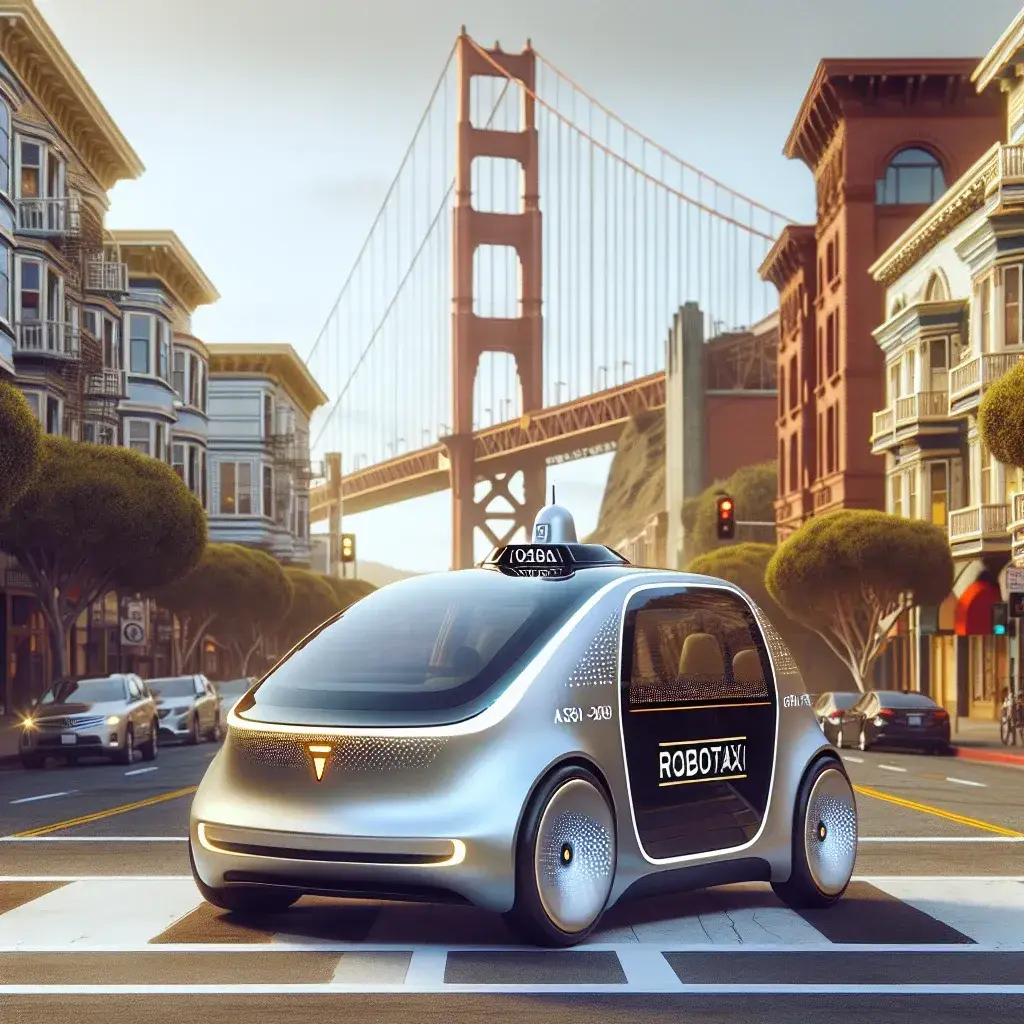
The streets of San Francisco are buzzing with excitement as the Zoox robotaxi has been spotted testing its autonomous capabilities. This groundbreaking development in the world of transportation has implications that extend beyond mere innovation; it represents a significant step toward the future of urban mobility. In this article, we will explore the details surrounding the Zoox robotaxi, its implications for the transportation industry, and what this means for the future.
What is Zoox?
Zoox, a subsidiary of Amazon, is focused on revolutionizing the way we think about transportation. Founded in 2014, the company aims to create a fully autonomous vehicle optimized for ride-sharing services. Unlike traditional vehicles, the Zoox robotaxi is designed from the ground up to operate without a human driver, utilizing advanced AI and an innovative design that allows for efficient navigation in urban environments.
The Design of Zoox Robotaxi
The Zoox robotaxi features a unique bi-directional design, allowing it to move forward and backward without needing to turn around. This is a significant advantage in crowded urban settings where space is limited. The cabin is spacious and designed to accommodate passengers comfortably, with seating that faces each other, fostering a more social experience.
Key Features
- Autonomous Navigation: Utilizing a complex array of sensors and cameras, the Zoox robotaxi can navigate through city streets with precision.
- Safety Protocols: The vehicle is equipped with multiple safety features, including emergency braking systems and the ability to detect pedestrians and cyclists.
- Eco-Friendly: As an electric vehicle, Zoox is committed to sustainability, contributing to reduced emissions in urban areas.
Testing in San Francisco
Recently, Zoox’s robotaxi has been spotted testing in various neighborhoods of San Francisco, a city known for its steep hills and complex street layouts. The testing phase is crucial as it allows engineers to gather data on the vehicle’s performance in real-world conditions. This stage of development will help refine the technology, ensuring that it can handle the diverse challenges posed by urban driving.
Public Reaction
The sighting of the Zoox robotaxi has sparked a range of reactions from the public. Many residents are intrigued by the technology and are eager to see how it will change transportation in the city. However, there are also concerns regarding safety and the implications of fully autonomous vehicles on employment within the taxi industry.
Safety Concerns
While autonomous vehicles promise to reduce the number of accidents caused by human error, the introduction of such technology raises questions. Critics argue that the technology is not yet foolproof and that there are significant risks involved in deploying driverless cars on public roads. Zoox is aware of these concerns and emphasizes its commitment to safety through rigorous testing and adherence to industry standards.
The Future of Transportation
The emergence of the Zoox robotaxi is part of a larger trend towards automation in transportation. As cities grow and populations increase, the need for efficient, safe, and environmentally friendly transportation options becomes even more pressing. Autonomous vehicles could play a pivotal role in addressing these challenges.
Potential Benefits
- Reduced Traffic Congestion: Autonomous vehicles can communicate with each other, optimizing routes and reducing traffic.
- Environmental Impact: Electric vehicles contribute to lower emissions, supporting global sustainability efforts.
- Increased Accessibility: Robotaxis can provide transportation solutions for individuals who may struggle with traditional taxis, such as the elderly or disabled.
Challenges Ahead
Despite the benefits, several challenges must be addressed before autonomous vehicles can become the norm. These include regulatory hurdles, the need for infrastructure upgrades, and public acceptance. As testing continues and technology improves, Zoox is paving the way for these hurdles to be overcome.
Conclusion
The sighting of the Zoox robotaxi in San Francisco is more than just an exciting development in transportation technology; it is a glimpse into the future of urban mobility. As advancements continue, it remains essential for companies like Zoox to address public concerns while pushing the boundaries of innovation. The journey towards fully autonomous transportation is just beginning, but with each test drive, we move closer to a future where getting from Point A to Point B is safer, smarter, and more sustainable.
Leave a Reply