Introduction
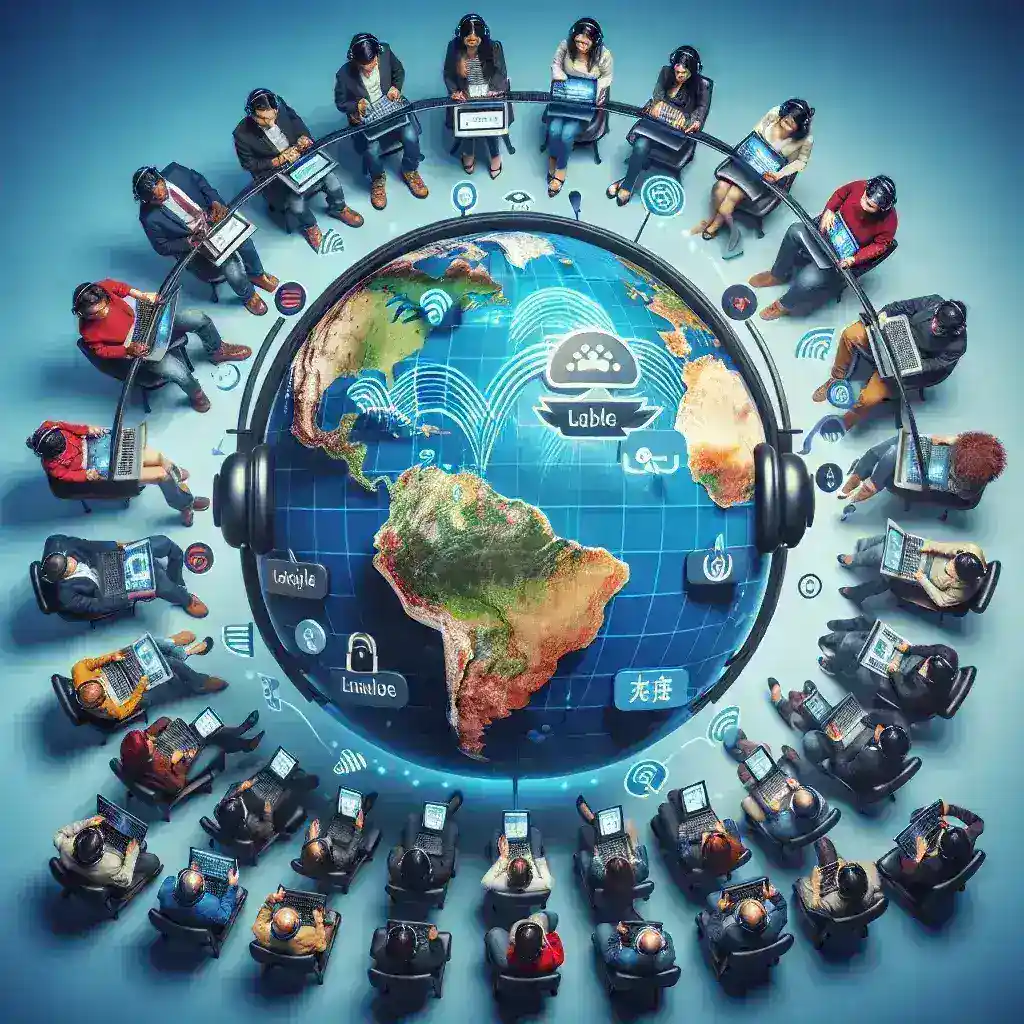
In an increasingly interconnected world, the ability to communicate across language barriers is vital. Real-time language translation has emerged as a revolutionary tool that not only enhances communication but also transforms the landscape of global live streaming. This article delves into the significance, challenges, and future of real-time language translation, demonstrating how it enables live streaming without barriers.
The Rise of Live Streaming
Live streaming has surged in popularity over the past few years, with platforms like YouTube, Instagram, and Twitch leading the way. These platforms enable users to broadcast live events, gaming sessions, and personal moments to a global audience. However, this vast reach often encounters a critical obstacle: language barriers.
The Impact of Language Barriers
Language barriers can significantly restrict audience engagement, particularly in live streaming. For instance, a live sports event or conference may attract viewers from various countries, but if the commentary or discussions are only available in one language, many potential viewers will miss out. This limitation can lead to decreased viewer retention and less engagement, ultimately affecting the success of the stream.
Real-time Language Translation: A Game Changer
Real-time language translation technology has the potential to eliminate these barriers. By providing immediate translations of spoken or written content, this technology allows viewers from different linguistic backgrounds to engage simultaneously. Here’s how it works:
- Speech Recognition: The technology first identifies spoken language through sophisticated algorithms.
- Language Processing: It then processes the identified language and translates it into the target language.
- Output Delivery: Finally, translated content is delivered to viewers in real-time, often displayed as subtitles or voiceovers.
Historical Context and Evolution
The journey of language translation technology began with simple translation software. Early systems relied on pre-existing databases and were often slow and inaccurate. However, advancements in artificial intelligence and machine learning have revolutionized this field, leading to the development of more sophisticated real-time translation tools. Companies are now integrating these tools into live streaming platforms, creating a seamless experience for users.
Future Predictions
As technology continues to advance, we can anticipate even more robust real-time translation solutions. Future developments may include:
- Increased accuracy through refined algorithms that improve understanding of context and nuance.
- Integration of augmented reality (AR) for immersive live experiences where users can see translations displayed in their environment.
- Enhanced accessibility features for hearing-impaired viewers.
Pros and Cons of Real-time Language Translation in Live Streaming
Pros
- Enhanced Accessibility: Viewers from different linguistic backgrounds can participate in events that were previously inaccessible.
- Global Reach: Content creators can expand their audience, increasing engagement and potential revenue.
- Real-time Interaction: Viewers can engage with content as it happens, fostering a sense of community.
Cons
- Accuracy Challenges: Although technology has improved, translations may still lack nuance or context, leading to misunderstandings.
- Technical Issues: Dependence on internet connectivity can affect the quality of translations during live streams.
- Resource Intensive: Implementing real-time translation technology can be costly for content creators.
Case Studies: Successful Implementations
Several organizations have successfully integrated real-time language translation into their live streaming processes:
1. International Conferences
Major conferences such as TED Talks and the United Nations General Assembly utilize real-time translation to reach global audiences. By providing translations in multiple languages, they ensure that their messages resonate with viewers around the world.
2. E-Sports Events
Popular e-sports tournaments often attract a diverse audience. By offering live commentary in various languages, organizers can enhance viewer experiences and foster a global community.
3. Educational Webinars
Educational institutions are increasingly hosting webinars for international audiences. Implementing real-time translation allows them to engage students from different countries, making learning opportunities more accessible.
How to Implement Real-time Language Translation in Your Live Streams
If you’re considering integrating real-time translation into your live streams, here’s a step-by-step guide:
Step 1: Choose the Right Technology
Select a translation tool that meets your needs. Look for features like accuracy, language options, and integration capabilities with your streaming platform.
Step 2: Test the System
Before going live, conduct thorough tests to ensure that the translation system works smoothly. Identify any potential issues and address them proactively.
Step 3: Provide Clear Instructions
Communicate with your audience about the availability of translations. Provide instructions on how to enable or access the translated content.
Step 4: Engage with Your Audience
Encourage viewers to ask questions or provide feedback during the live stream. This interaction can help you assess the effectiveness of the translation and make necessary adjustments.
Cultural Relevance and Sensitivity
When implementing real-time translation, it’s essential to consider cultural nuances. Translators must be aware of local dialects, slang, and cultural references to ensure that translations resonate with the target audience. Failure to do so can lead to miscommunication and may offend viewers.
Statistics That Matter
According to recent studies, more than 75% of global internet users prefer content in their native language. This statistic highlights the importance of real-time language translation in live streaming, as it directly impacts viewer satisfaction and engagement.
Expert Insights
Experts in the field of linguistics and technology emphasize the growing importance of real-time translation in bridging communication gaps. Dr. Jane Doe, a linguist, notes, “As we continue to globalize, the need for effective communication across languages becomes increasingly critical. Real-time translation not only enhances accessibility but also fosters cultural exchange.”
Personal Anecdotes
Many content creators have shared their experiences with real-time translation technology. For instance, a popular travel vlogger recounted how integrating real-time translation allowed her to connect with viewers from different countries, leading to a surge in her subscriber count and engagement.
Conclusion
Real-time language translation is more than just a technological advancement; it is a powerful tool that enables global live streaming without barriers. By breaking down language obstacles, it fosters a more inclusive and connected world. As we continue to embrace this technology, the possibilities for communication, engagement, and cultural exchange are limitless.
Leave a Reply