
Photography is more than just capturing moments—it’s a way to tell stories, express creativity, and experience the world through a unique perspective. With a camera in hand, you have the power to freeze time, to reveal beauty in everyday scenes, and to highlight details that may go unnoticed by the naked eye. Whether you’re traveling, documenting your life, or simply exploring the world around you, photography allows you to connect with your surroundings in a deeply personal way. In this post, we’ll explore how to make the most of your photography journey and discover the world through your lens.
Embrace the Beauty of Travel Photography
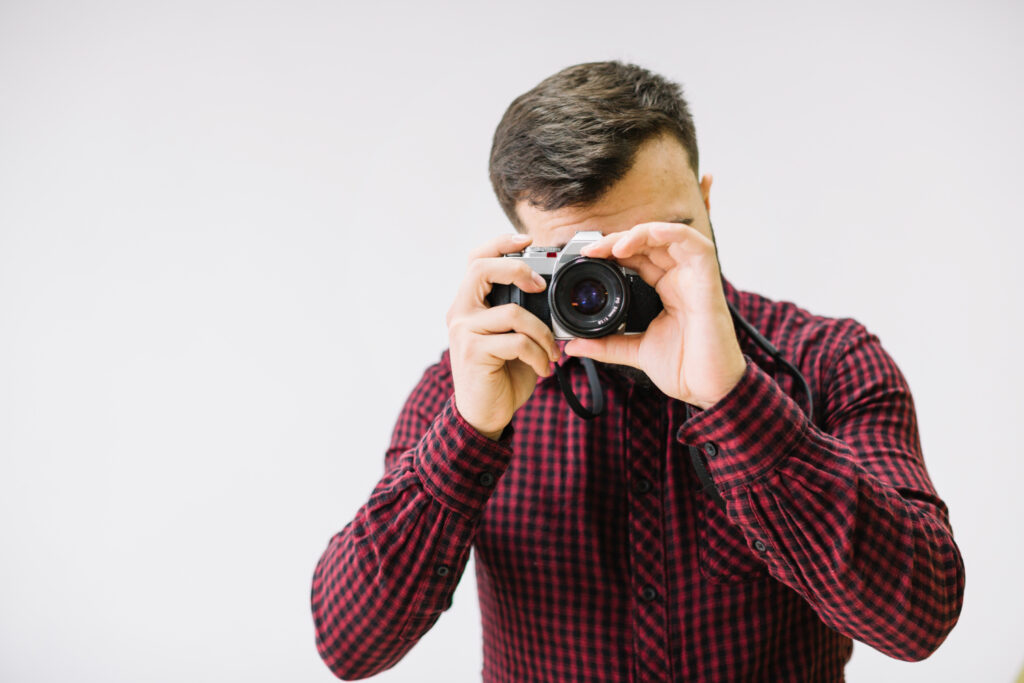
Travel photography is one of the most rewarding aspects of the craft. It allows you to capture the essence of a destination—the landscapes, the people, and the culture. When traveling, it’s easy to get caught up in the rush of sightseeing, but taking the time to observe and photograph your surroundings can deepen your connection to the place.
Start by scouting for unique perspectives that tell a story. Instead of just snapping photos of famous landmarks, look for local markets, hidden alleyways, or candid moments that convey the heart of a location. Light is key in travel photography. The “golden hour” just after sunrise and before sunset provides soft, warm light that makes landscapes and portraits look magical.
Also, don’t be afraid to experiment with different focal lengths, like wide-angle lenses for grand landscapes or telephoto lenses for capturing distant details. By thoughtfully approaching each shot, you can create a visual narrative that truly reflects your travel experience.
Capture Everyday Moments with Artistic Flair
Photography isn’t just about grand landscapes or exotic locations—it’s also about capturing the beauty of everyday life. Whether you’re at home, in the park, or even during your commute, there’s always something worth photographing. By looking at the world through a different lens, you can turn mundane moments into works of art.
Focus on small details that others might overlook. A close-up shot of a flower petal, the texture of an old brick wall, or the reflections in a puddle can all be visually captivating. The key is to pay attention to the light and composition. Experiment with angles, textures, and colors to find new ways of seeing the ordinary.
Shooting in black and white can also help you emphasize texture and contrast, stripping away distractions and bringing focus to the subject itself. Don’t forget to experiment with long exposures to capture movement or light trails, adding a dynamic element to your shots.
Tell Stories Through Portrait Photography
Portrait photography allows you to connect with your subjects and capture their personality, emotions, and story. Whether you’re photographing a loved one, a stranger, or a group of people, a good portrait can reveal a lot about a person. The key to a powerful portrait is creating a connection between the subject and the camera.
Start by thinking about the background and how it complements the subject. A busy background can distract from the person you’re photographing, so choose simple, clean backdrops that enhance the mood you want to convey. Lighting plays a huge role in portraiture—natural light from a window can create soft, flattering shadows, while studio lighting can be used to sculpt the face and highlight features.
Focus on the eyes, as they are often the most expressive part of a portrait. Get close enough to capture the emotion in the eyes while making sure the rest of the face is in sharp focus. Be patient and take the time to make your subject feel comfortable; genuine expressions result in the best portraits.
Experiment with Nature and Wildlife Photography
Nature and wildlife photography offer incredible opportunities to explore the world in its rawest form. Capturing the intricate details of plants, animals, or scenic landscapes requires patience, attention to detail, and a deep understanding of your environment.
In nature photography, light is crucial for setting the mood and enhancing the natural colors. Early morning or late afternoon light, similar to travel photography, offers a soft, golden glow that can enhance the colors in your shots. For wildlife photography, a telephoto lens is essential to capture animals from a distance without disturbing them.
Patience is key when photographing wildlife. Animals can be unpredictable, and getting the perfect shot often requires hours of waiting. Understanding animal behavior and knowing when to press the shutter is part of the process. Don’t rush—taking the time to observe and wait for the right moment will yield the most rewarding photos.
Experiment with Abstract Photography

Abstract photography allows you to move beyond conventional representation and create images that are more about shape, color, and texture than about a specific subject. By focusing on elements like light, shadows, reflections, or patterns, you can create thought-provoking images that leave room for interpretation.
To experiment with abstract photography, focus on details such as water ripples, smoke, or light reflections. Play with exposure times to create blurred movement or focus on shapes in the environment that appear to form patterns. Abstract photography invites you to look at the world in new and creative ways, encouraging you to break free from traditional compositions and explore the world from a fresh perspective.
Photography is a powerful tool for exploring the world and expressing your creativity. Whether you’re capturing the grandeur of a faraway landscape, the subtle beauty of everyday moments, or the emotion in a portrait, photography allows you to tell stories and share your perspective with others. By embracing the beauty of travel photography, experimenting with different styles, and honing your technical skills, you can unlock the full potential of your lens. So, grab your camera, get out there, and start exploring the world through your lens.
Leave a Reply